BIOS settings that matter after a CPU swap
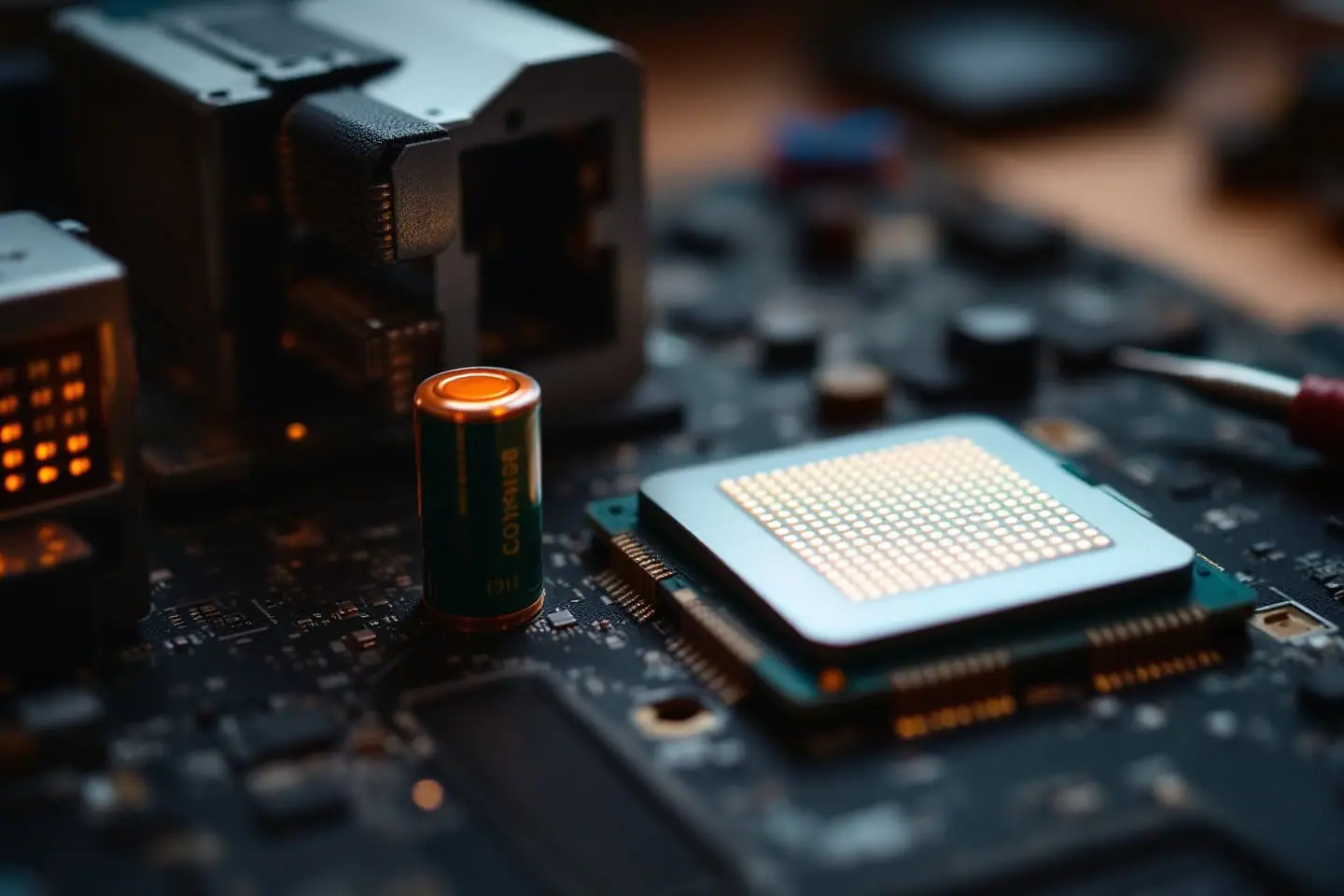
What to check in the BIOS after fitting a different CPU: defaults, recognition, C1E and EIST, vcore on Auto, memory speed, FSB strap, fans, SATA mode and a profile. Keep reading »
What to check in the BIOS after fitting a different CPU: defaults, recognition, C1E and EIST, vcore on Auto, memory speed, FSB strap, fans, SATA mode and a profile. Keep reading »
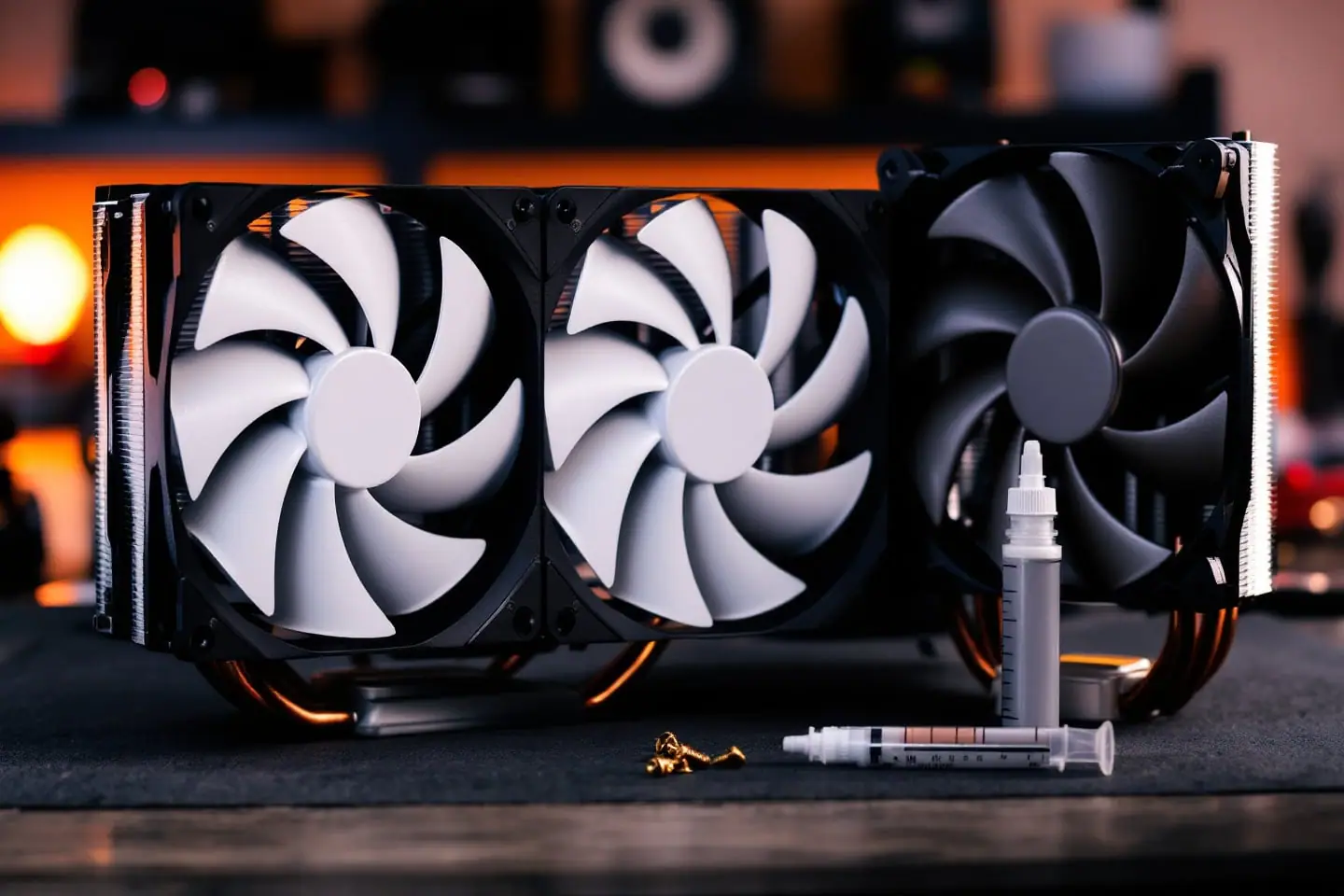
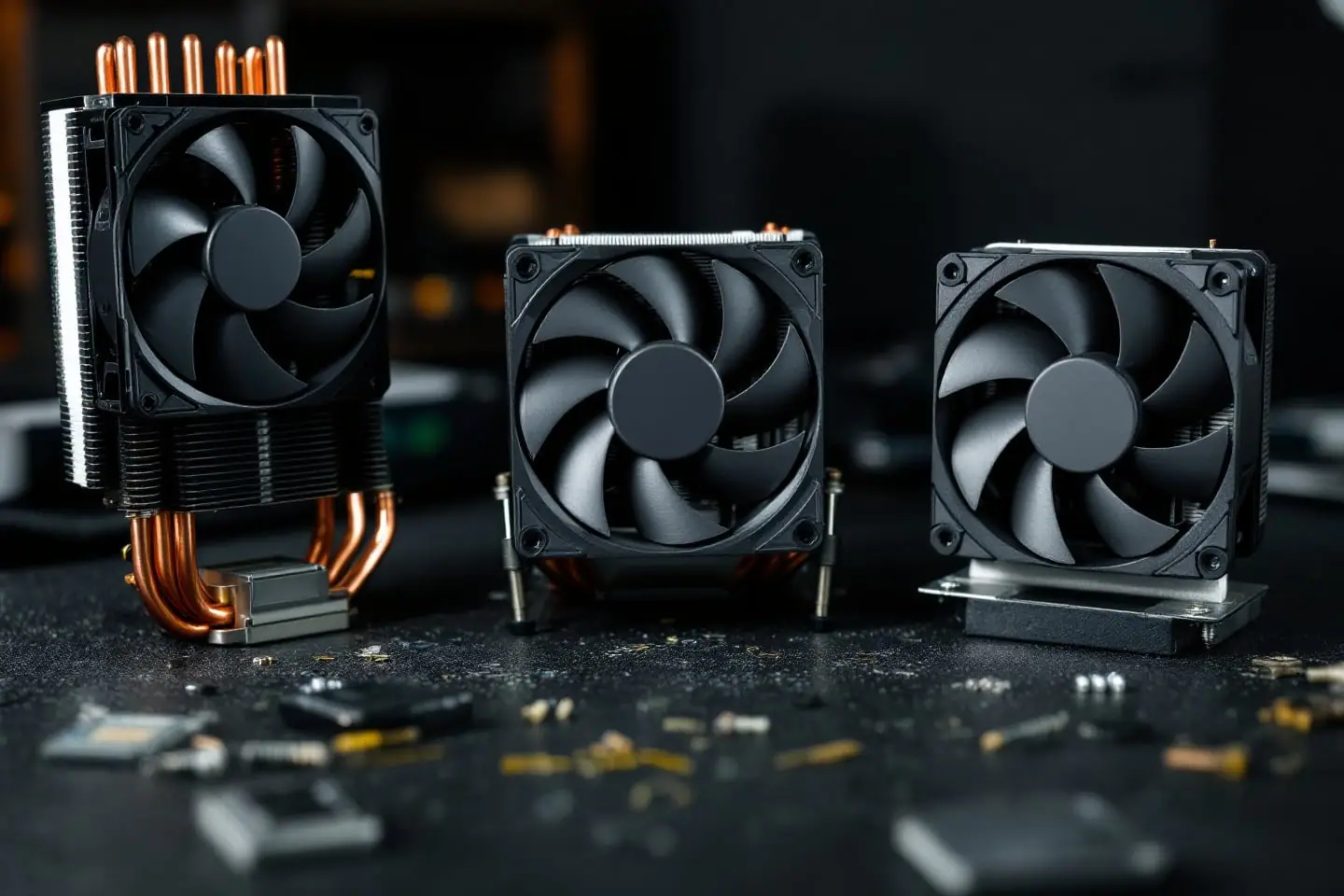
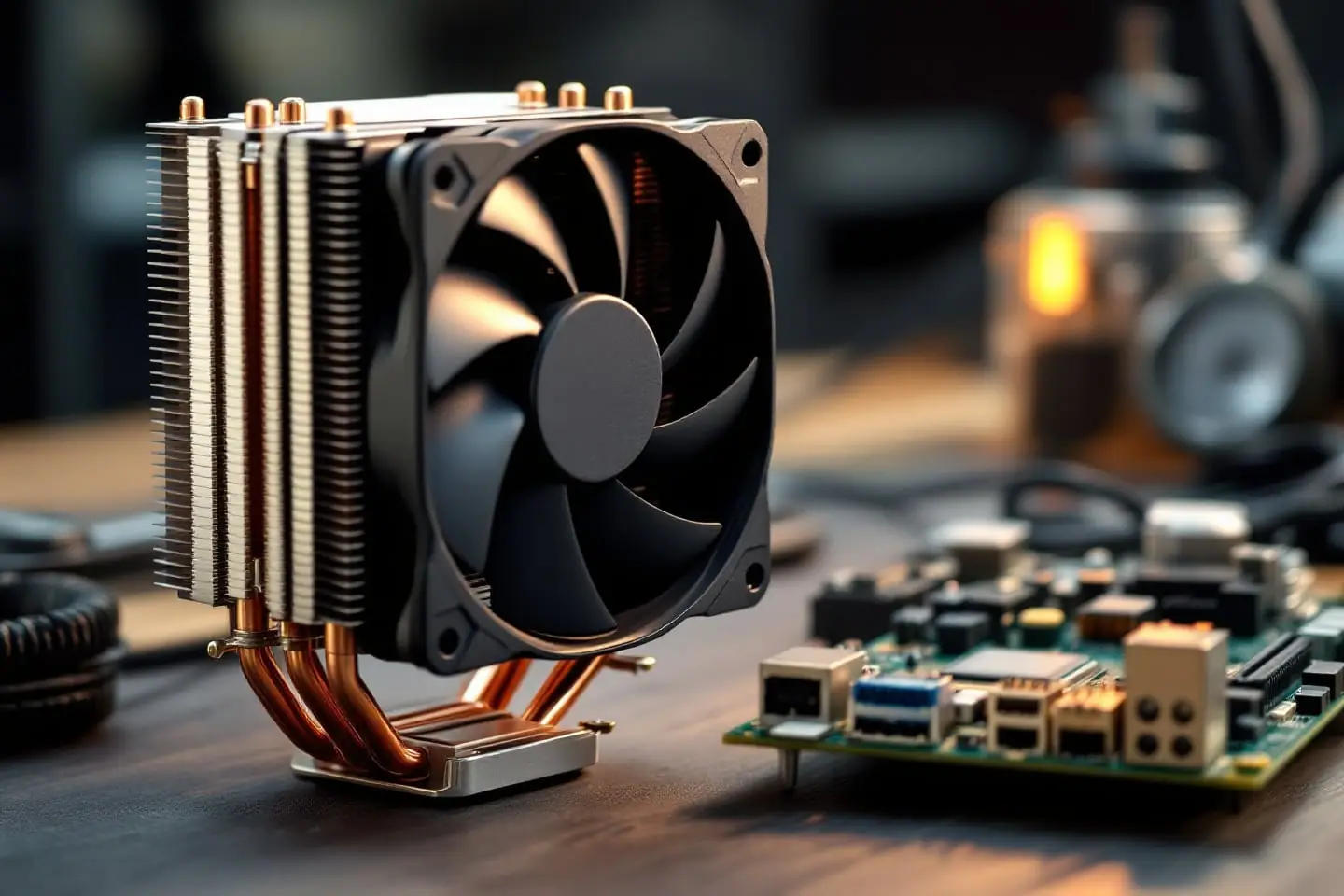
Budget CPU coolers that fit: a dual tower for most builds, a slim single tower, and a short 100 mm cooler for small cases and older boards, with socket checks. Keep reading »
How to flash a BIOS without bricking the board: when to update, matching the exact model, backups, which flasher to use, steady power and a recovery plan. Keep reading »
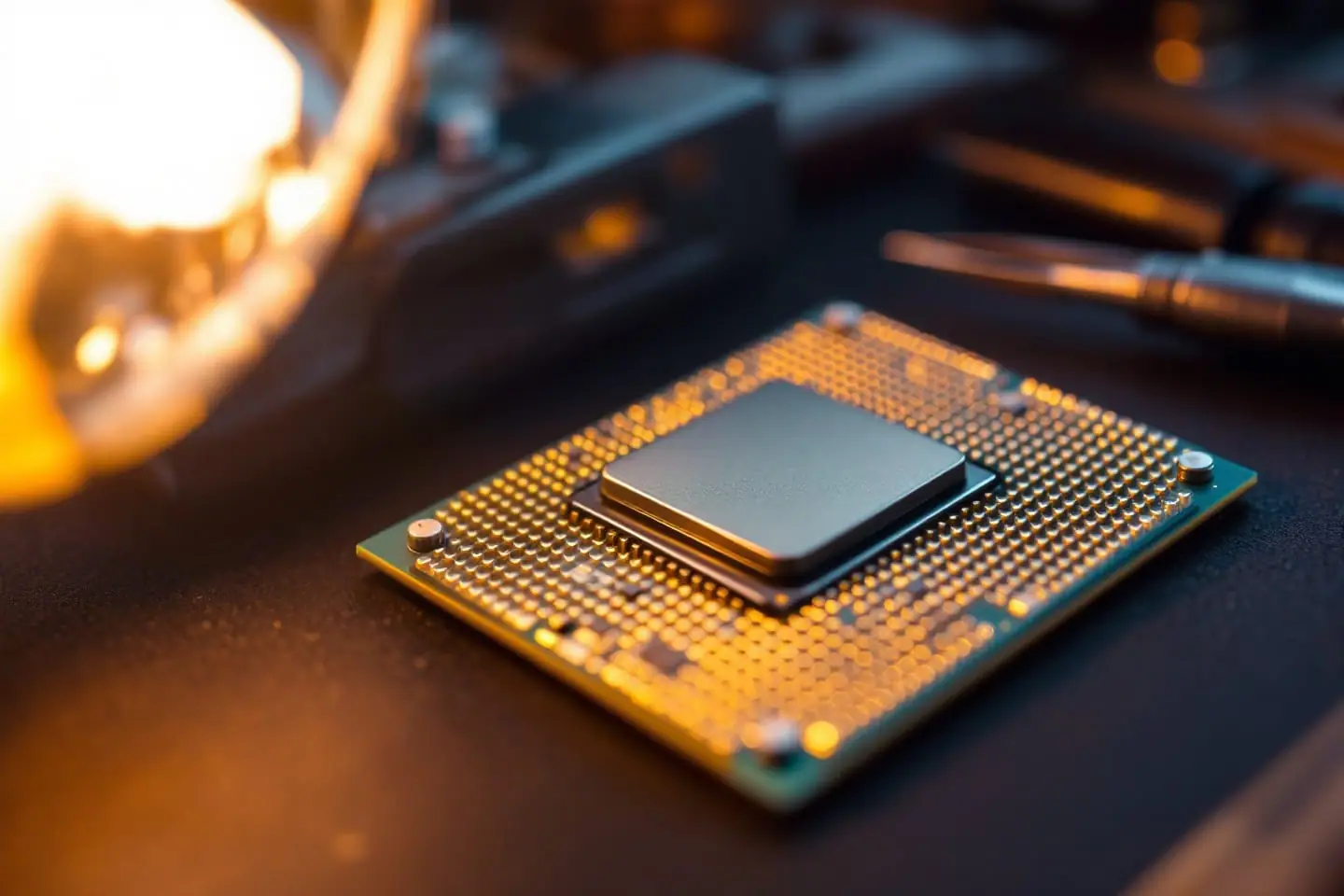
How to read the etched lines on a used LGA 771 Xeon from a listing photo, tell C0 from E0, spot qualification samples, and what to ask the seller first. Keep reading »
How to choose a CPU air cooler: towers, top-down and low-profile designs, heat pipes, fins and fans, noise figures, socket mounts, clearance and when an AIO fits. Keep reading »
LGA 775 uses 72 mm hole spacing, not the 75 mm of later Intel sockets. How to read socket lists, push pins versus backplates, and height and RAM clearance. Keep reading »
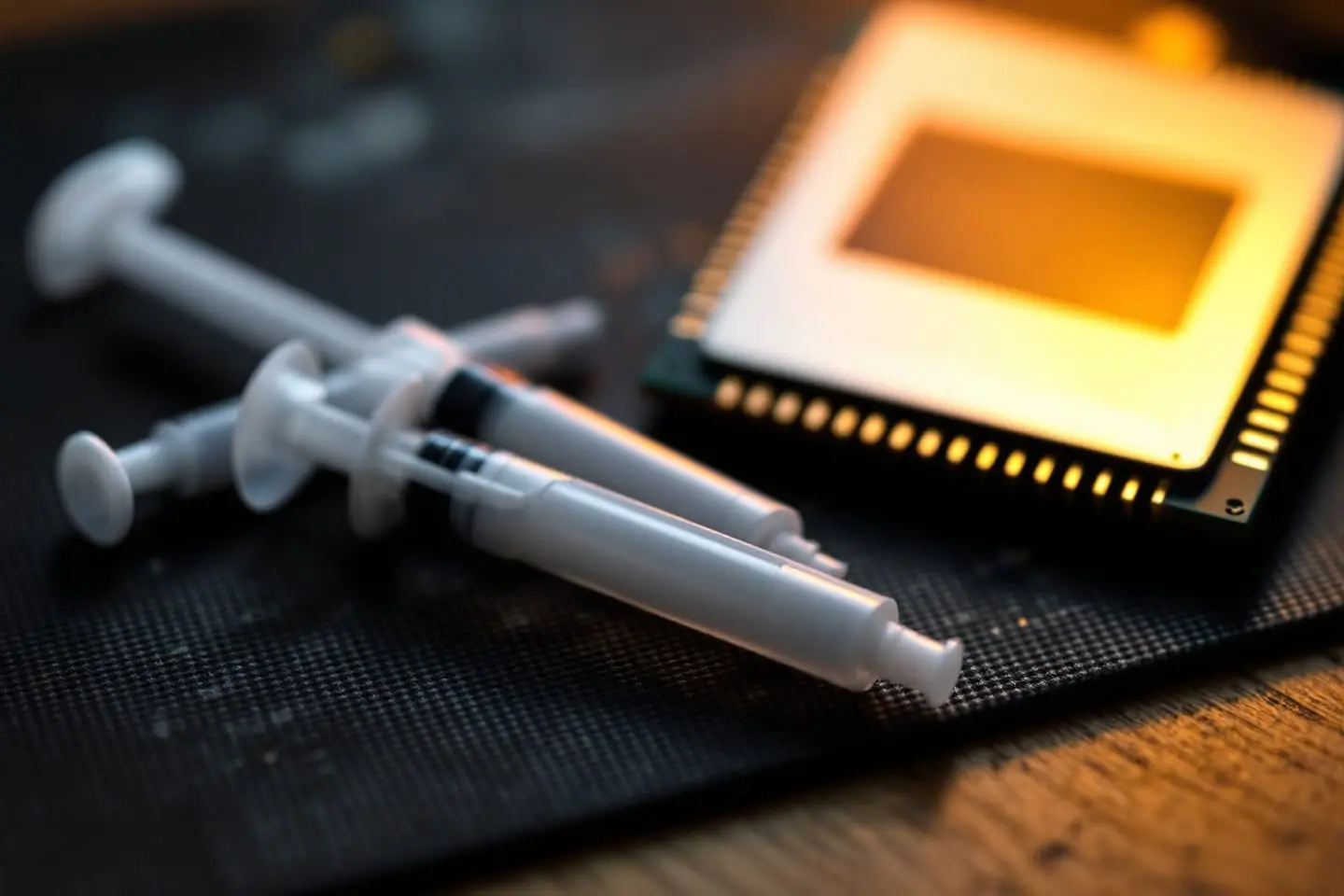
The best thermal paste for a CPU is non-conductive, needs no curing and comes in a sensible tube. How to read specs, four picks by use and a liquid metal warning. Keep reading »
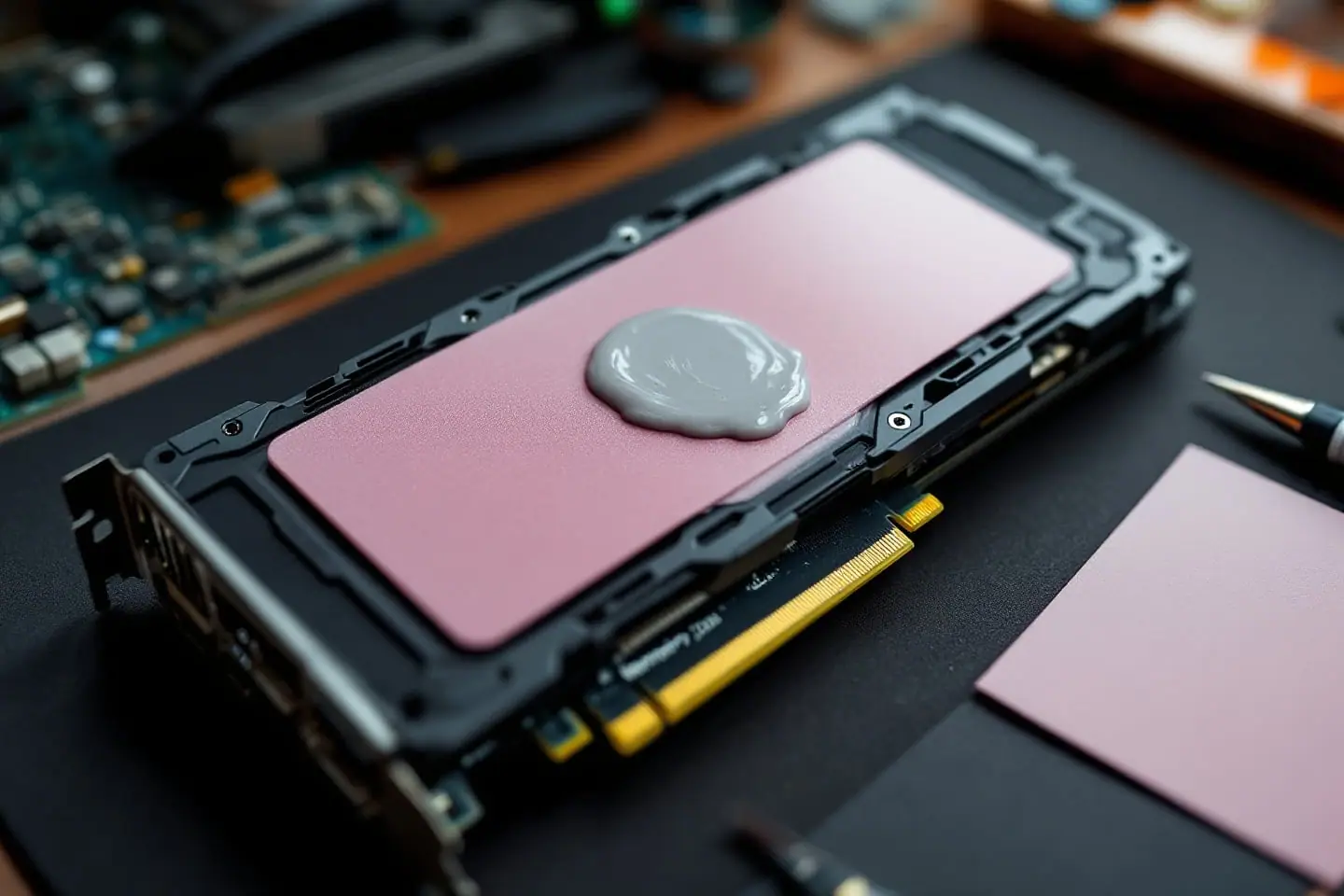
Thermal pad vs thermal paste: paste goes on CPU and GPU dies, pads fill measured gaps over VRAM, VRMs and M.2 drives. How to pick thickness, plus three picks. Keep reading »
From the parts bin: Macrium Reflect X Home (disk imaging and cloning). Parts links can earn us a commission.
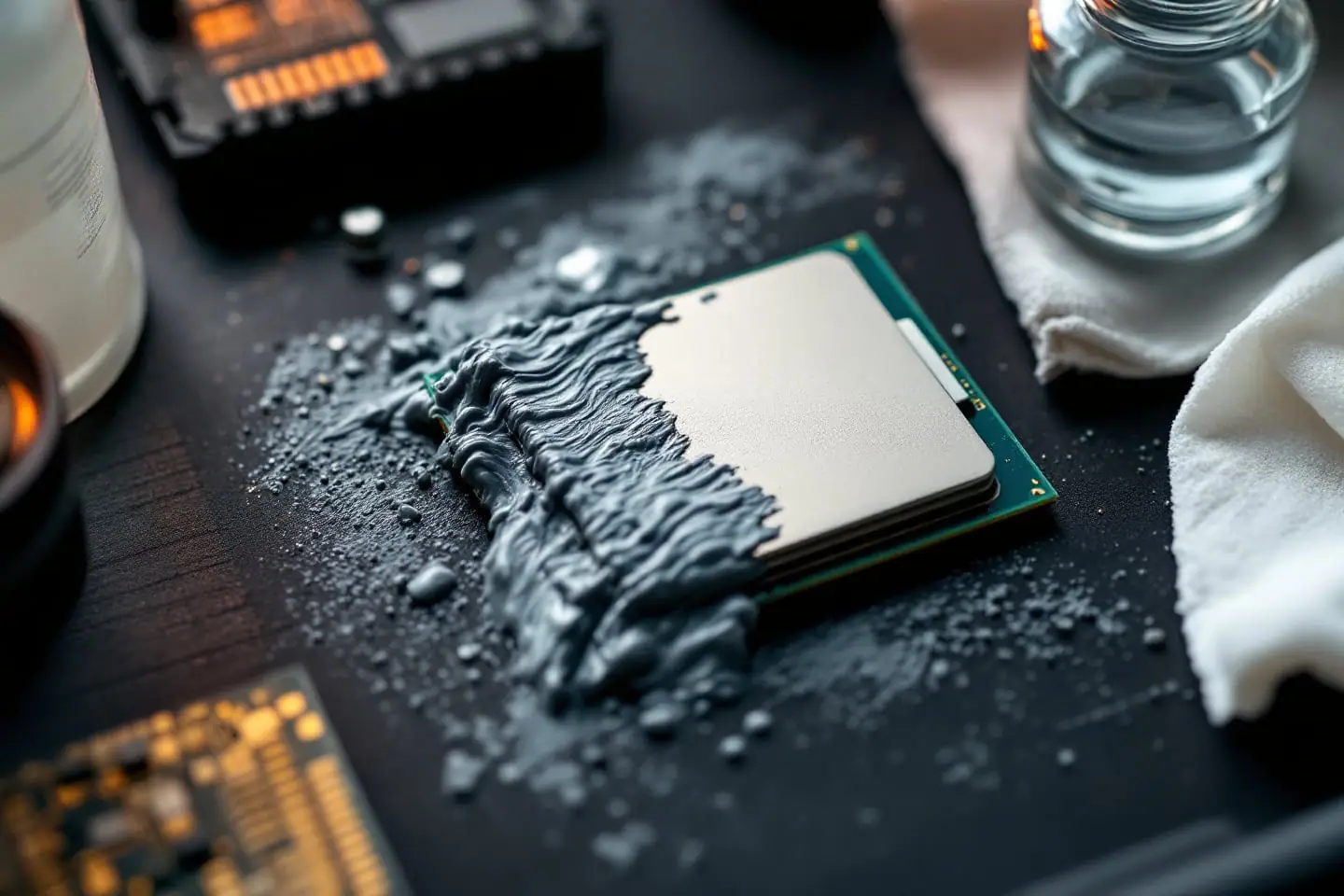
Isopropyl alcohol for cleaning thermal paste: why 90 to 99 percent, which wipes, the CPU lid and cooler base, paste in the socket, liquid metal and drying time. Keep reading »
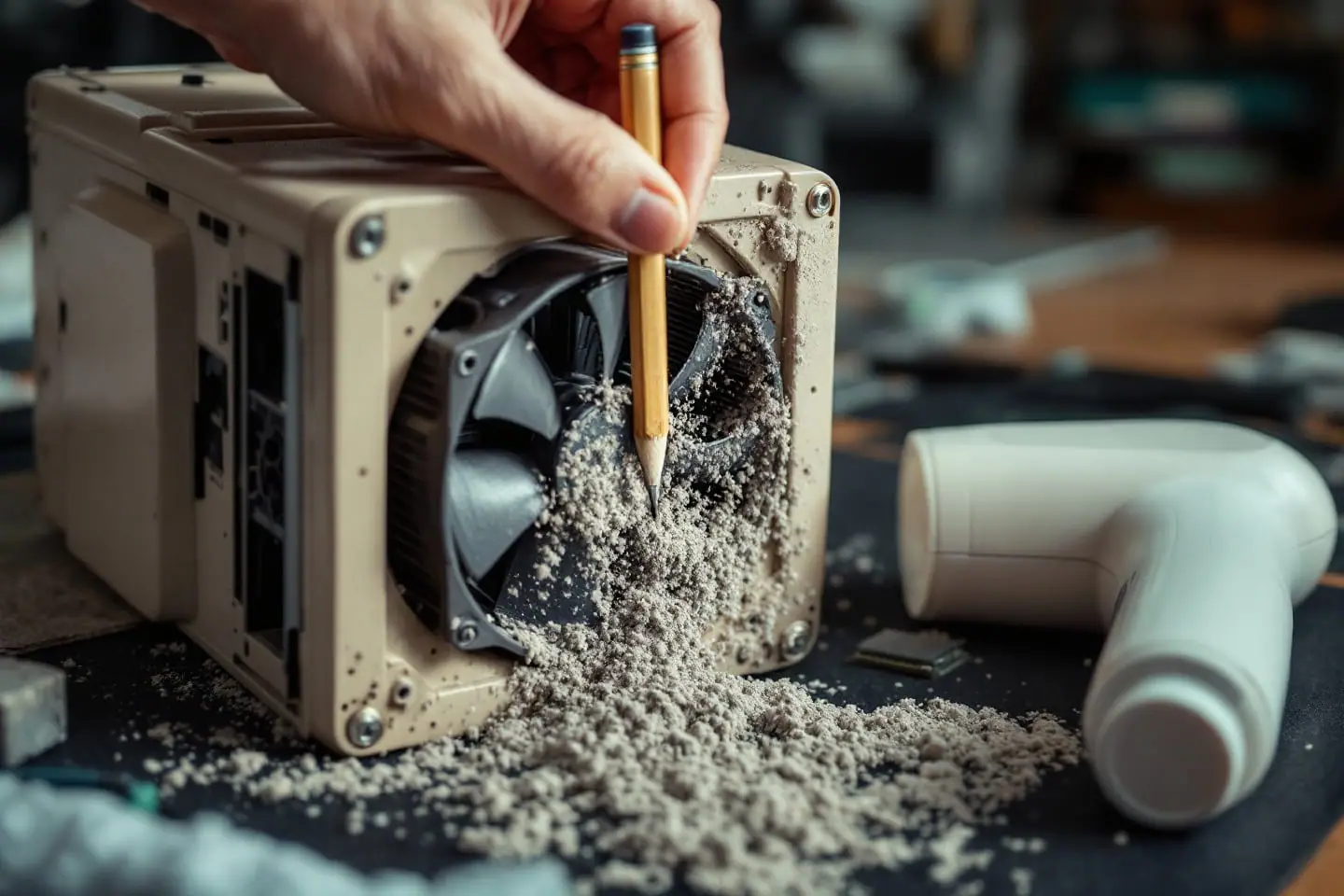
Clear dust from an old desktop safely: power and static first, fans held still, heatsinks and PSU vents blown out, no vacuum inside, and what to inspect. Keep reading »
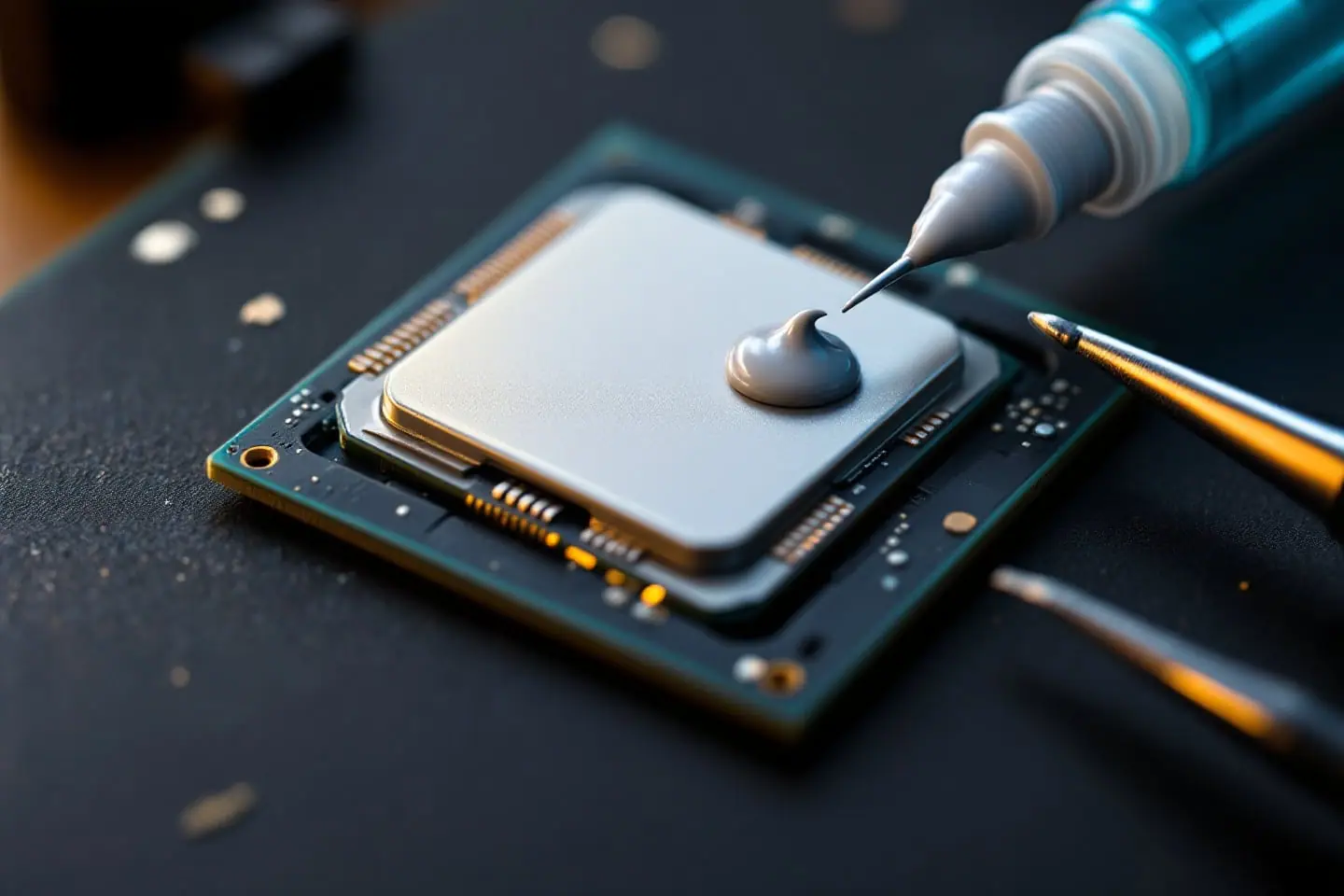
How much thermal paste on a CPU: a 4 mm bead for most desktop chips, more for long or large lids, a thin film on laptop dies, and how to check the spread. Keep reading »
Installing Windows XP, Vista or 7 on Core 2 era hardware: AHCI vs IDE mode, F6 drivers and nLite, activation today, driver archives and keeping the machine offline. Keep reading »