Sizing a CPU cooler by TDP: what the watt ratings do and do not tell you
What TDP, PL1, PL2 and PPT really mean, why cooler watt ratings are not a standard, and how to size a cooler for a stock or overclocked CPU, old or new. Keep reading »
What TDP, PL1, PL2 and PPT really mean, why cooler watt ratings are not a standard, and how to size a cooler for a stock or overclocked CPU, old or new. Keep reading »
How much static it takes to hurt a PC part, what wrist straps, mats and bags really do, the plugged-in PSU debate, and a short checklist before every build. Keep reading »
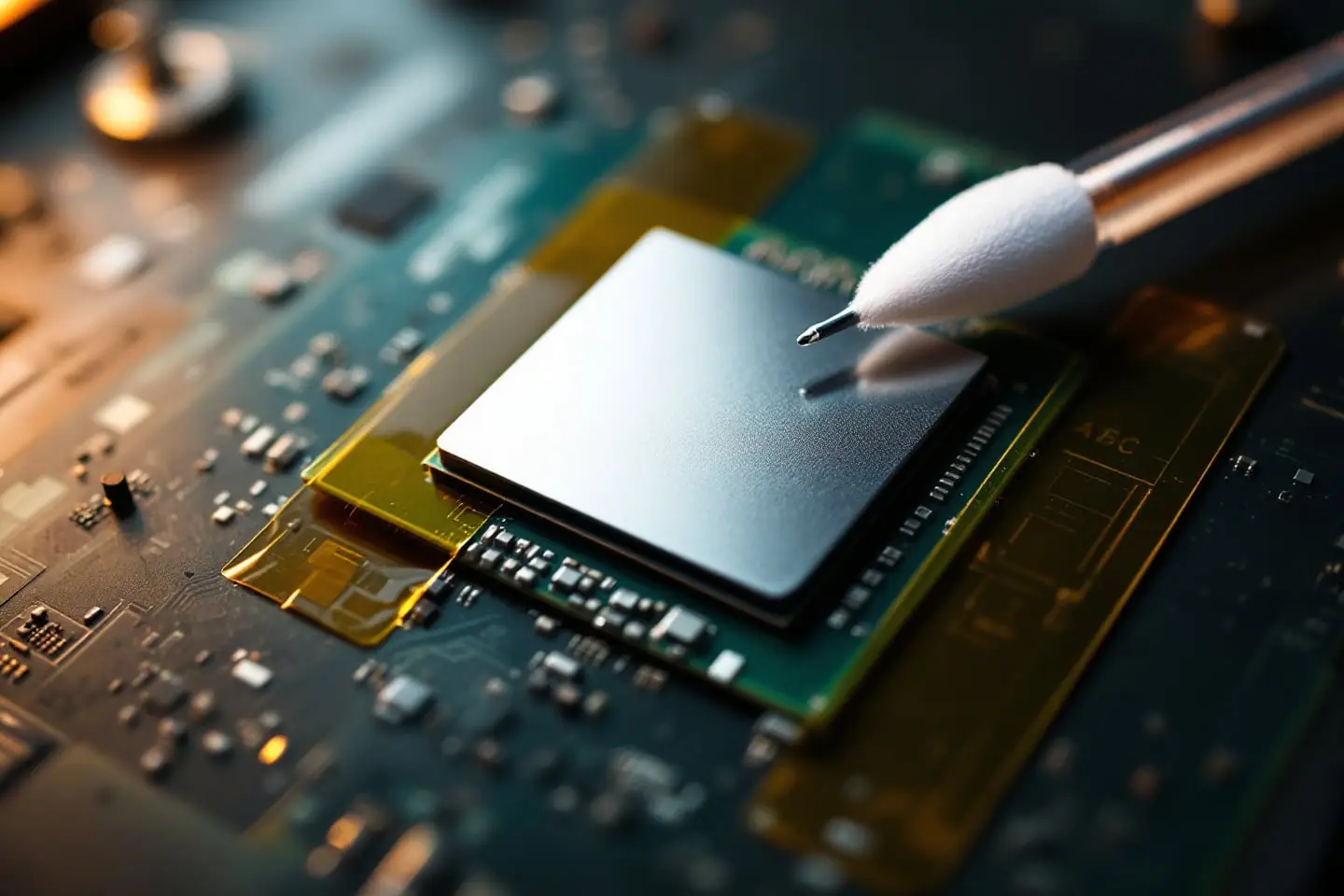
How to repaste a desktop or laptop CPU: when it helps, safe cooler removal, cleaning, paste amount and pattern, even mounting pressure and the first temp check. Keep reading »
Plan four pages, write plain HTML and one stylesheet, size your images, test on a phone and publish static files. A weekend plan for a small hand-coded site. Keep reading »
Which LGA 775 chipsets take DDR2, DDR3 or both, the real capacity limits per chipset, the 4 GB module trap, and when DDR3 actually helps an FSB system. Keep reading »
Work out what an old desktop really draws, read 80 PLUS ratings and 12 V rail labels, match 20+4, EPS and PCIe plugs, and know when an aging PSU should retire. Keep reading »
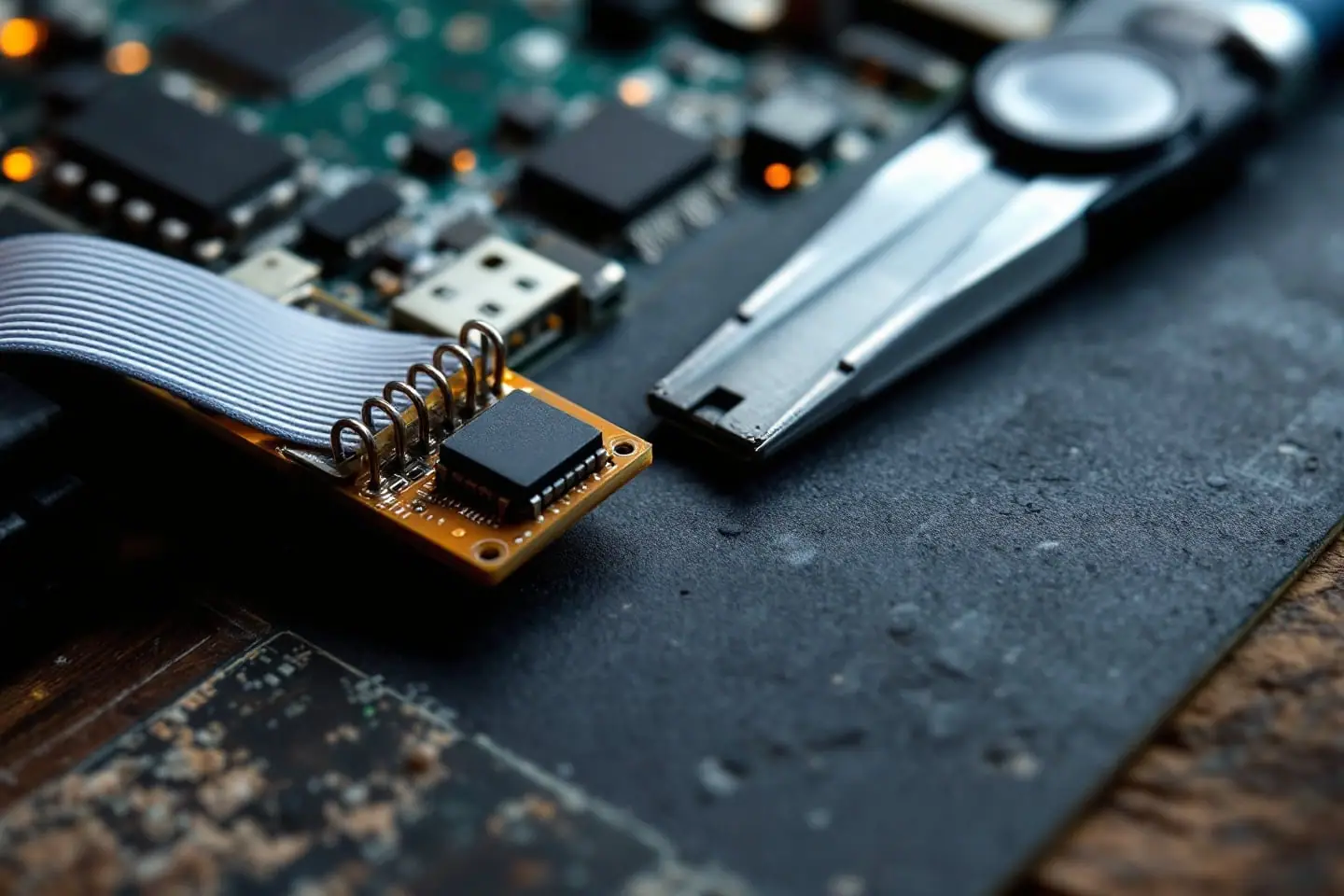
How to read and restore an SPI BIOS chip with a CH341A and a SOIC8 clip: chip voltages, the 5 V problem, flashrom commands, checksums and a recovery plan. Keep reading »
Liquid metal moves heat far better than paste but conducts electricity and attacks aluminium. Where it pays off, where it does not, and how to apply it safely. Keep reading »
From the parts bin: Macrium Reflect X Home (disk imaging and cloning). Parts links can earn us a commission.
How to overclock a locked Harpertown Xeon on an LGA 775 board through the FSB: straps, memory ratios, voltages in plain terms and how to prove it is stable. Keep reading »
Microcode is the patchable layer inside an Intel CPU. What it does, how the BIOS and OS load it, how to read your revision, and why old boards stop getting fixes. Keep reading »
Why an SSD transforms an old desktop even on a SATA 3 Gb/s port, plus AHCI mode, cloning vs a clean install, TRIM, mounting, power adapters and checks. Keep reading »
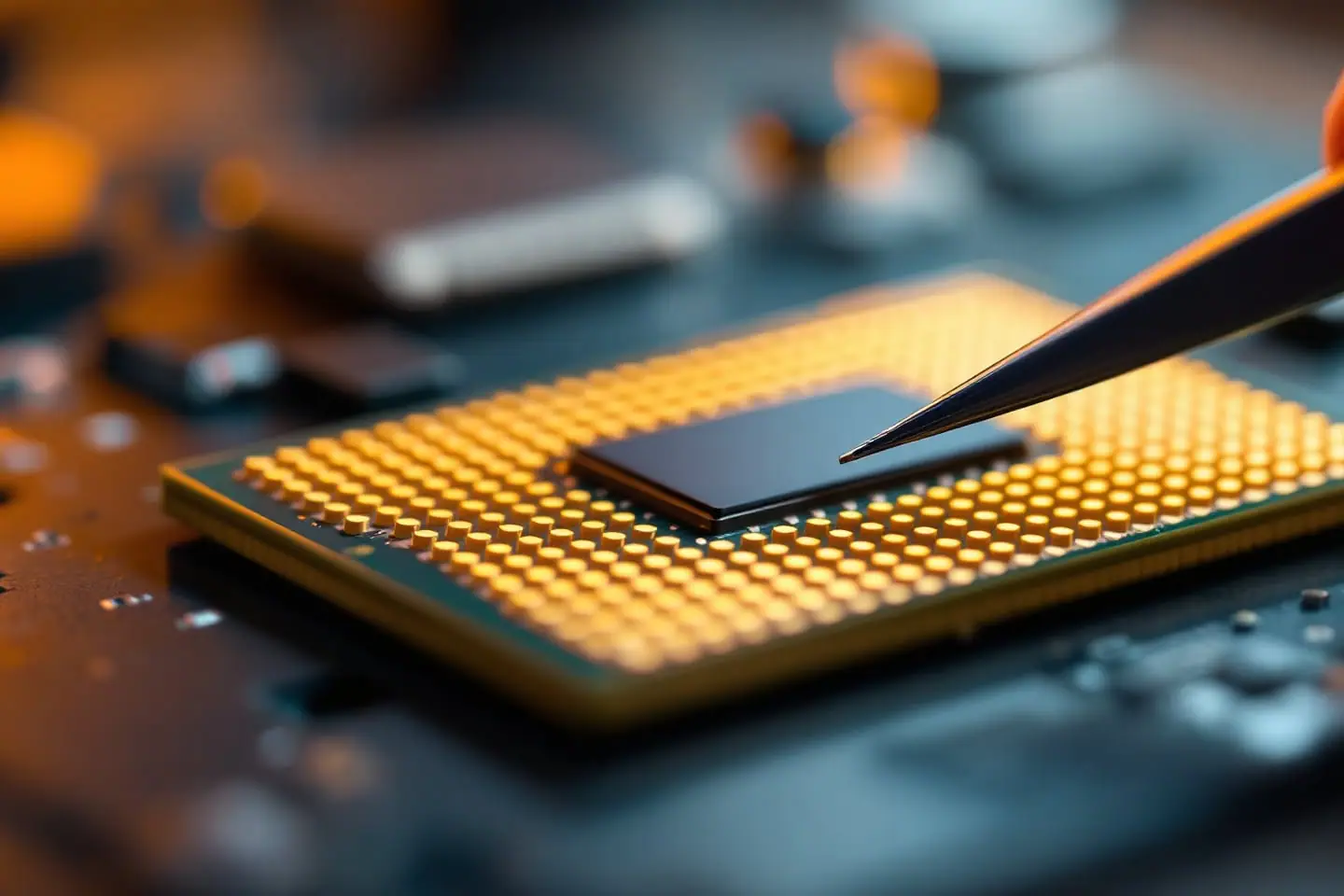
Which Intel chips hide paste or solder under the lid, how delid tools compare with vise and blade methods, how to relid or go direct die, and what it gains. Keep reading »